

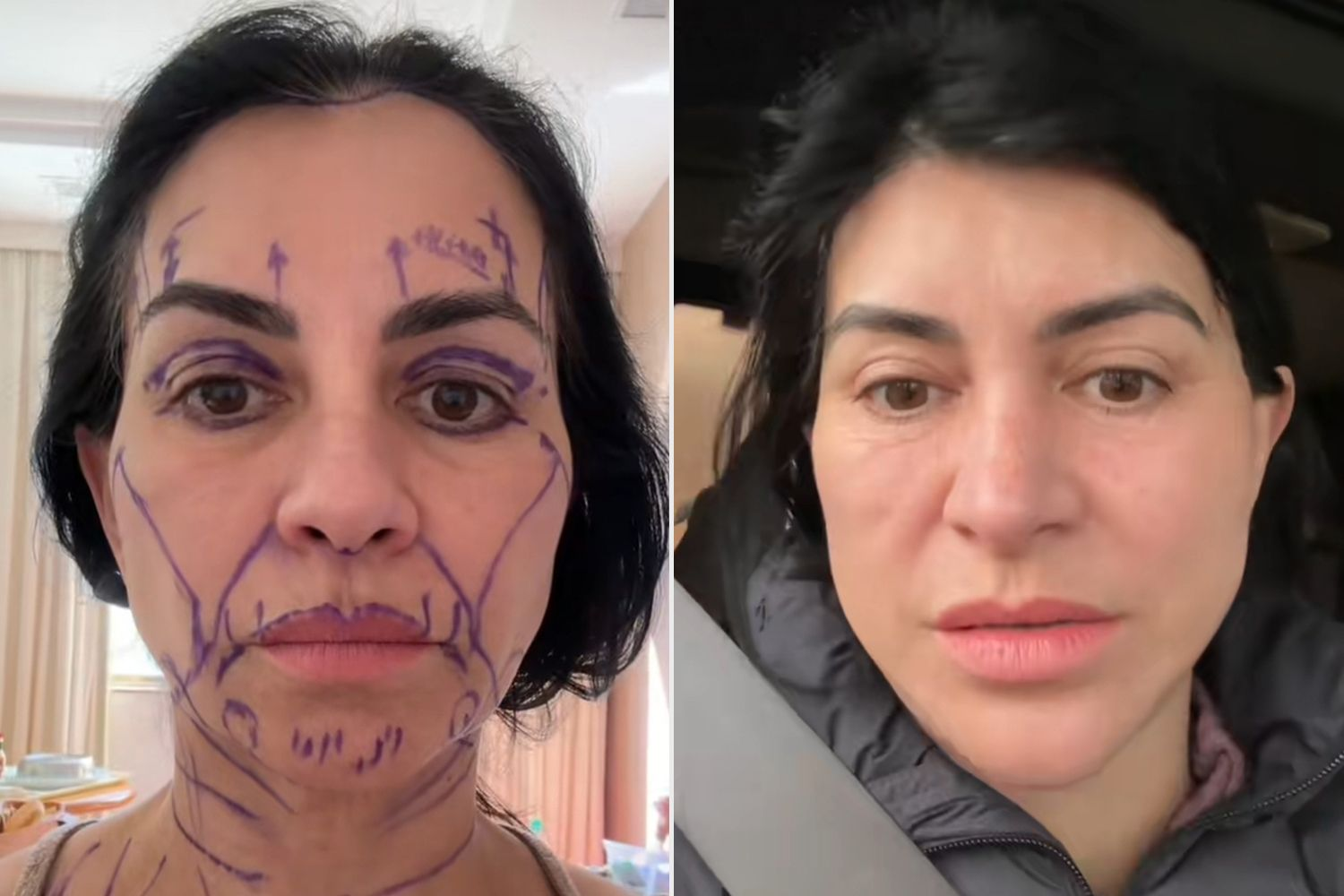
A botched mini face lift can be a stressful experience, especially when the results look very different from what a patient expected. A mini facelift is generally designed to create a more refreshed appearance through smaller incisions and a more limited treatment area than a traditional facelift. While many patients have positive experiences, no cosmetic procedure is completely risk-free, and complications can sometimes affect both appearance and recovery.
The phrase botched mini face lift is often used online to describe anything from disappointing cosmetic results to a genuine surgical complication. Those situations are not always the same. Swelling, bruising, tightness, unevenness, and changes in sensation can be normal during the early healing period. On the other hand, significant asymmetry, poorly positioned scars, contour irregularities, infection, wound problems, or persistent distortion may require professional assessment.
Understanding what can go wrong is useful for anyone considering a mini facelift or dealing with an unsatisfactory result. The most important point is not to panic or immediately assume that the final result has been determined. Facial tissues can change considerably during healing, and a qualified plastic surgeon can help distinguish temporary postoperative changes from problems that may need treatment.
What Is a Mini Face Lift?
A mini facelift is a less extensive facial rejuvenation procedure intended to improve certain signs of facial aging, particularly mild to moderate sagging around the lower face and jawline. Compared with a traditional facelift, the procedure typically involves smaller incisions and a more limited area of tissue manipulation. The exact technique varies considerably between surgeons and patients.
The term “mini” can sometimes create unrealistic expectations. It does not mean that the operation is automatically simple, risk-free, or suitable for everyone. A mini facelift still involves surgery, and its success depends on factors such as skin quality, facial anatomy, surgical technique, healing ability, and the specific concerns being treated.
Another important consideration is the difference between lifting skin and addressing deeper facial structures. Depending on the technique, a surgeon may work with underlying tissues as well as skin. If the procedure is poorly matched to a patient’s anatomy or expectations, the result may be less natural than anticipated. This is one reason a detailed consultation is so important before surgery.
What Can Make a Mini Face Lift Look “Botched”?
A botched mini face lift may refer to visible problems such as pronounced asymmetry, an overly pulled appearance, unnatural facial contours, or scars that are noticeably wider or more visible than expected. Sometimes the issue is immediately apparent, while in other cases it becomes clearer after swelling has decreased and the tissues have settled.
Excessive tension on the skin can contribute to an unnatural appearance. Instead of creating a subtle improvement, the face may appear unusually tight around the ears, cheeks, or jaw. Other possible aesthetic concerns include changes in the hairline, distortion around the ears, irregular contours, or differences between the two sides of the face.
However, early postoperative photographs can be misleading. Swelling is frequently uneven, and one side of the face may heal faster than the other. Bruising can also make facial symmetry appear worse temporarily. For this reason, patients should be cautious about judging the final outcome during the first days or weeks unless there is a concerning medical symptom that requires immediate attention.
Common Warning Signs of a Problem
One of the biggest concerns following facial surgery is infection. Increasing redness, warmth, significant swelling, worsening pain, drainage, fever, or other signs of illness should be reported promptly to the operating surgeon. These symptoms should not simply be dismissed as part of normal recovery.
Wound-healing problems can also affect the final appearance. An incision may separate, develop excessive scarring, or heal unevenly. In some patients, fluid or blood can collect beneath the skin, creating swelling or changes in facial contour. A surgeon needs to determine what is causing these changes rather than relying on photographs or online comparisons.
There are also aesthetic warning signs that may persist after the initial healing period. These can include substantial asymmetry, unnatural pulling, persistent contour irregularities, or scars that remain significantly problematic. A second opinion from a board-certified plastic surgeon can be useful when a patient is uncertain whether the result is within the expected range of healing.
Why Does a Mini Face Lift Go Wrong?
Surgical technique is one possible factor, but it is not the only explanation. Every patient has different anatomy, skin elasticity, previous procedures, and healing characteristics. A procedure that produces an excellent result for one person may not be appropriate for another.
Patient selection and communication also matter. If someone has more advanced facial laxity than a mini facelift can realistically address, choosing a limited procedure may lead to an underwhelming result. Similarly, if expectations are based heavily on edited photographs or dramatic online transformations, even technically successful surgery may feel disappointing.
Healing complications can occur despite appropriate surgical care. Infection, bleeding, delayed wound healing, unfavorable scarring, nerve-related symptoms, and other complications are recognized risks of facial surgery. Smoking, certain medications, underlying health factors, and failure to follow postoperative instructions may also influence healing, although complications can occur even when a patient follows every instruction carefully.
What Should You Do After an Unsatisfactory Result?
If you believe you have experienced a botched mini face lift, the first step is to contact your surgeon and arrange a proper postoperative evaluation. Keep your concerns specific. Instead of simply saying that the surgery looks wrong, describe the changes you are noticing, such as asymmetry, unusual tightness, swelling, pain, scar changes, or a particular contour problem.
Do not rush into another procedure simply because you are unhappy during the early recovery period. Facial surgery often requires patience. Swelling and tissue stiffness can take time to improve, and the appearance may change significantly as healing progresses. Your surgeon can tell you whether what you are seeing is expected for your stage of recovery.
If you have lost confidence in your surgeon or believe your concerns have not been adequately addressed, seeking an independent evaluation is reasonable. A qualified plastic surgeon who routinely performs facial rejuvenation can examine the tissues, review your surgical history, and explain whether observation, nonsurgical treatment, or revision surgery may eventually be appropriate.
When Is Revision Surgery Considered?
Revision surgery is generally not something that should be rushed. Surgeons often prefer to allow sufficient healing before making major decisions because scar tissue and postoperative swelling can obscure the true result. The appropriate waiting period varies depending on the problem and the individual’s recovery.
A revision procedure may be considered for persistent asymmetry, problematic scarring, contour abnormalities, or an outcome that does not meet the original surgical goals. The approach depends entirely on what happened during the first operation and what the tissues look like afterward.
Revision surgery can also be more complicated than the original procedure. Scar tissue can change normal tissue planes, and the surgeon may have less flexibility than during the first operation. This makes choosing an experienced facial plastic surgeon particularly important. The goal should be a realistic improvement rather than a promise of perfection.
How to Reduce the Risk Before Surgery
The best time to reduce the risk of a poor outcome is before the operation. Research potential surgeons carefully and look for appropriate specialist training, relevant certification, experience with facelift procedures, and a strong track record in facial surgery. A consultation should feel like a two-way discussion rather than a sales presentation.
Ask what technique the surgeon recommends and why it is suitable for your facial anatomy. It is also reasonable to ask about possible complications, recovery expectations, scars, limitations of the procedure, and what happens if the result is not satisfactory. Reviewing authentic before-and-after photographs can help establish realistic expectations.
Be especially cautious of guarantees. Cosmetic surgery cannot be predicted with absolute certainty. A responsible surgeon should explain both the potential benefits and limitations of the procedure. The strongest consultations usually involve honest discussion about what surgery can realistically accomplish rather than promises of a flawless or permanently youthful appearance.
Final Thoughts on a Botched Mini Face Lift
A botched mini face lift can describe a genuine complication, an unsatisfactory aesthetic result, or simply a temporary appearance during the healing process. Those possibilities need to be separated carefully. What looks alarming immediately after surgery may improve considerably as swelling and inflammation settle.
At the same time, patients should never ignore symptoms that could indicate a medical complication. Increasing pain, significant redness, drainage, fever, rapidly worsening swelling, wound separation, or other unusual symptoms deserve prompt communication with the surgical team. When in doubt, professional assessment is safer than trying to diagnose the problem online.
Ultimately, the best response to an unsatisfactory facelift result is informed and patient decision-making. Give the tissues an appropriate opportunity to heal, communicate openly with your surgeon, and consider an independent specialist opinion when necessary. If revision is eventually recommended, choosing an experienced facial surgeon and establishing realistic goals can make the next stage considerably more thoughtful and controlled.
