

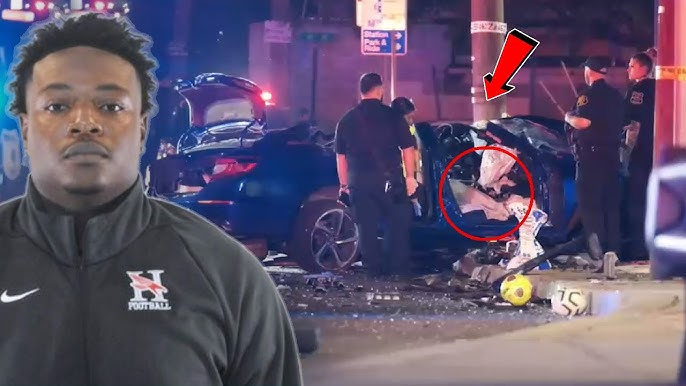
When people search for James Owens Jr, they may be looking for information about the young Alabama athlete whose life ended unexpectedly in 2025. Because the name is shared by several people, it is important to separate this James Owens Jr. from others with the same or similar name. Recent reporting identifies him as a 20-year-old from Tuscaloosa who attended Huntingdon College and played football as a defensive lineman.
His story attracted attention not simply because of the circumstances surrounding his death, but because of the effect his passing had on people who knew him. Friends, relatives, teammates, and members of his community came together to remember a young man whose life was still unfolding. For those who knew him personally, James was much more than a name connected to a tragic news story.
This article looks at what is publicly known about James Owens Jr., his football background, his connection to Huntingdon College, the accident that claimed his life, and the way his community remembered him.
Who Was James Owens Jr.?
James Owens Jr. was a young man from Tuscaloosa, Alabama, who was known in his community and through college football. At only 20 years old, he was at an age when education, athletics, friendships, and future ambitions were still coming together. His connection with Huntingdon College gave him an opportunity to continue developing as both a student and an athlete.
Owens was a member of the Huntingdon College football program, where he played on the defensive side of the ball. Reports identifying him as a defensive lineman help explain one part of his identity, but statistics and a position on a roster can never fully describe a person. Behind the helmet was a college student, teammate, friend, and family member whose relationships mattered deeply to those around him.
The public information available about Owens is relatively limited, which is understandable given that he was not a major national celebrity. Much of what has been reported focuses on his athletic connection, his Alabama roots, and the circumstances of his death. That makes it especially important to avoid filling gaps with speculation and instead focus on information that has been publicly documented.
James Owens Jr. and Huntingdon College Football
College football can become a major part of a young athlete’s life. Practices, strength training, travel, competition, classes, and relationships with teammates can create a close-knit environment. For James Owens Jr., Huntingdon College football was one of those important parts of his life.
Owens played as a defensive lineman, a position that demands physical strength, discipline, quick reactions, and a willingness to compete in difficult situations. Defensive linemen often operate in the middle of the action, battling opposing blockers and trying to disrupt offensive plays. Even without knowing every detail of Owens’s playing record, his place on the team shows that football was an important part of his college experience.
Huntingdon’s football community was among those affected by his death. The loss of a teammate at such a young age can be especially difficult because college teams often function like extended families. Players spend significant amounts of time together, and the relationships formed during a season can continue well beyond individual games. Owens’s death therefore represented not only the loss of a student-athlete but also the loss of a teammate and friend.
The Tragic Accident That Took His Life
James Owens Jr. died in a vehicle crash in Alabama in November 2025. According to reporting from WBRC, the 20-year-old was involved in a head-on collision on U.S. 82 in Chilton County, near Maplesville. The Alabama Law Enforcement Agency identified Owens as one of two people who died in the crash.
The circumstances made the tragedy particularly difficult for his family and community. A young person who was attending college and building a future suddenly lost the opportunity to experience the years ahead. At 20, there is usually a sense that there will be plenty of time for graduation, careers, relationships, travel, and personal growth. A sudden accident can change everything in a matter of moments.
It is also worth approaching reports about fatal crashes carefully. Early accounts can contain limited information, and details surrounding an investigation can change as authorities establish what happened. In Owens’s case, publicly reported information confirms the collision and the fatalities, while the broader significance of his death is better understood through the response of the people who knew and remembered him.
A Community Came Together to Remember Him
Following Owens’s death, friends and family gathered at Northridge High School in Tuscaloosa for a memorial balloon release. The gathering brought people together to honor the young man they had lost and gave those close to him an opportunity to grieve collectively.
According to WBRC, people attending the memorial wore Huntingdon red, reflecting Owens’s connection to the college and its football program. A gesture like that may appear simple, but symbols often become powerful during times of grief. Wearing a team’s colors can communicate a shared sense of belonging and remind everyone present that the person being remembered was part of something larger than himself.
Memorial gatherings also provide something that formal announcements cannot: a space for people to share memories. Friends can talk about ordinary moments, teammates can remember practices and conversations, and relatives can reflect on different stages of a person’s life. In that sense, remembering someone is not only about discussing how they died. It is about bringing attention back to how they lived.
Why His Story Resonated With So Many People
The story of James Owens Jr. resonated largely because of the age at which his life ended. Twenty is an age associated with possibility. Many people at that stage are still discovering what they want from life, changing direction, forming lasting friendships, and imagining their future.
For athletes, college can be an especially formative period. A player may be balancing academic responsibilities with a demanding training schedule while also learning how to work within a team. These experiences can shape confidence, discipline, leadership, and personal identity. Owens’s involvement with Huntingdon football was therefore likely part of a much broader chapter in his development as a young adult.
There is also something universally painful about losing someone before they have had the chance to see where life might take them. Whether someone is famous or completely unknown outside their hometown, an early death leaves behind unanswered questions. In Owens’s case, those questions belong primarily to the people who knew him and imagined the future he might have had.
Remembering James Owens Jr. Beyond the Headlines
News coverage naturally focuses on the event itself. Headlines mention the crash, the location, the age of the victims, and the official information released by authorities. Those details are necessary, but they represent only a small part of a person’s life.
James Owens Jr. should not be defined exclusively by the accident that ended his life. He was a student, an athlete, a teammate, a friend, and a family member. Those relationships are what give a person’s life its meaning, even when public information about them is limited.
This distinction matters when discussing young people who die unexpectedly. A tragedy may be the reason a person’s name appears in the news, but it should not become the entire story. Remembering someone respectfully means recognizing the person who existed before the headline appeared.
The Importance of Supporting Young Athletes After Loss
The death of a teammate can affect athletes in ways that are difficult to see from the outside. Players may continue attending practices, classes, and games while privately dealing with grief. The routines of college life can make it tempting to keep moving forward without taking enough time to process what has happened.
Coaches, teammates, college staff, friends, and families can all play important roles during such periods. Simple acts of support can matter: checking in with someone, allowing them space to talk, remembering important dates, or simply being present. Grief does not follow a predictable schedule, and different people respond to loss in different ways.
For a team, remembering a fallen teammate can also become part of the healing process. Wearing a team color, gathering for a memorial, sharing stories, or dedicating a moment to someone’s memory can help create a sense of collective support. The memorial held for Owens demonstrated how his athletic community and hometown could come together during an incredibly difficult period.
What James Owens Jr.’s Story Teaches Us
One of the clearest lessons from James Owens Jr.’s story is how quickly circumstances can change. A young college athlete can have plans, responsibilities, friendships, and ambitions one day and be gone unexpectedly the next. That reality can be painful, but it also encourages people to recognize the importance of relationships while they have the opportunity.
His story also shows that a person’s influence does not depend on worldwide fame. Someone does not need to be a professional athlete, entertainer, politician, or celebrity to leave a meaningful impression. The people who gathered to remember Owens were there because he mattered to them personally.
Perhaps most importantly, his story reminds us that young lives should be remembered for more than the circumstances of their deaths. James Owens Jr. was a 20-year-old college student and football player whose future was still taking shape. The memorial held in his honor reflected the affection and respect of people who wanted to make sure he was remembered as a person rather than simply as the victim of a tragic accident.
Final Thoughts on James Owens Jr.
James Owens Jr.’s life was tragically short, but the response to his death shows that it was meaningful to the people around him. His connection to Tuscaloosa, Huntingdon College, and college football gave him communities that knew him and could come together when he was suddenly gone.
Public records and news reports provide only a limited window into who he was. They tell us that he was a 20-year-old Huntingdon College athlete, a defensive lineman, and one of the victims of a fatal Alabama crash in November 2025. They also document the memorial gathering where friends and family came together to honor his memory.
Beyond those facts, his story is ultimately about the people left behind. Every young person carries relationships, hopes, routines, and possibilities that cannot be fully captured in a news article. Remembering James Owens Jr. means acknowledging that larger human story and recognizing the impact his life had on his family, friends, teammates, and community.
